The Importance Of Routine Dilated Eye Examinations

Wyomissing Optometric Center • September 25, 2018

The Importance Of Routine Dilated Eye Examinations

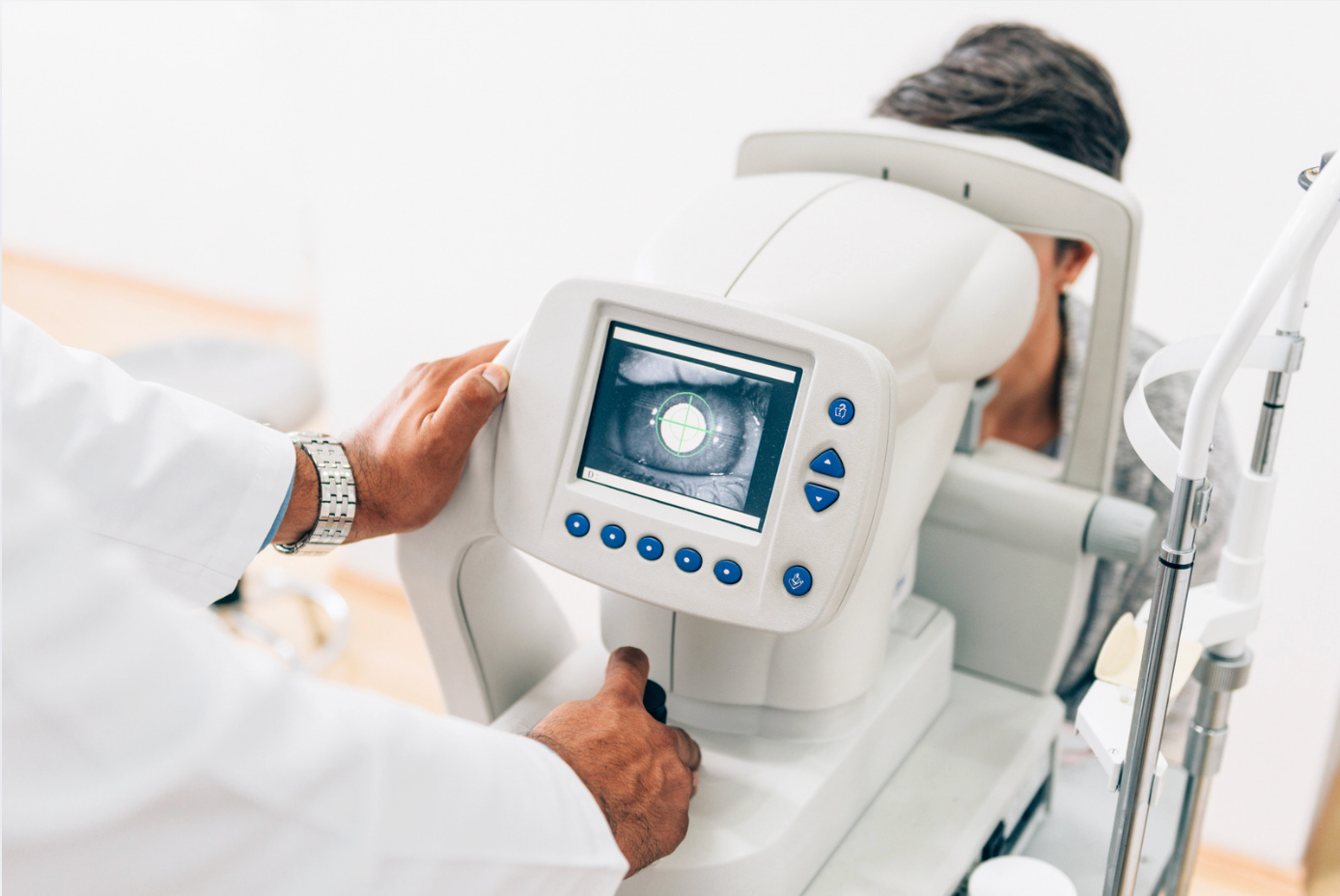
Have you ever wondered why your optometrist recommends dilating and checking the health of your eyes regularly, even if you have perfect vision?

The answer is that there are a large number of eye diseases that can be diagnosed before it causes changes in your vision. Most retinal eye diseases are only detectable with a comprehensive dilated examination. Catching eye disease early means faster treatment and better long-term outcomes for your vision. The more advanced stages of eye disease cause vision loss that cannot be regained even with treatment so early diagnosis and intervention are key.

Furthermore, your eye health can tell your optometrist a lot about your overall health. Diseases such as diabetes, high blood pressure, high cholesterol, blood clotting disorders, multiple sclerosis, and certain brain tumors and strokes, can cause changes viewable by your eye doctor to diagnose these conditions as well. This is why we recommend regular dilated eye examinations whether you have perfect 20/20 vision or even if you have no vision.

A case example:

An 11-year-old girl presented for her routine eye exam. Her vision was 20/20 in each eye with her glasses. She had no symptoms – no headaches, no blurred vision, no discomfort with her eyes. Even still, Dr. Legge recommended dilation to check the health of her eyes.

For reference, this is a photograph of a normal retina. This shows a healthy retina, a healthy optic nerve, and healthy blood vessels.
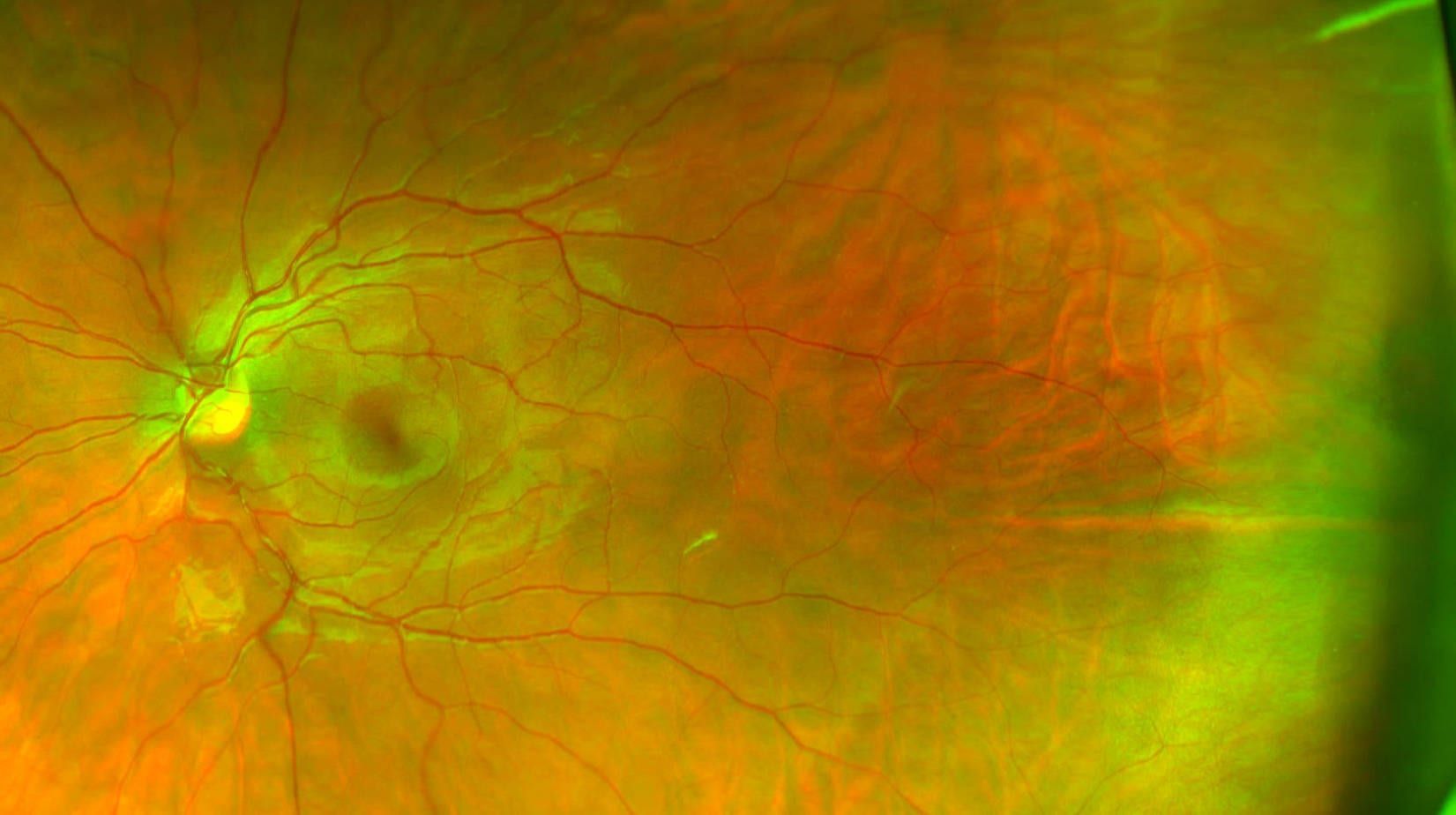
This is the photograph obtained after diagnosing a blood vessel abnormality that was leaking fluid into the retina of this young patient. This finding would not be visible without dilation.
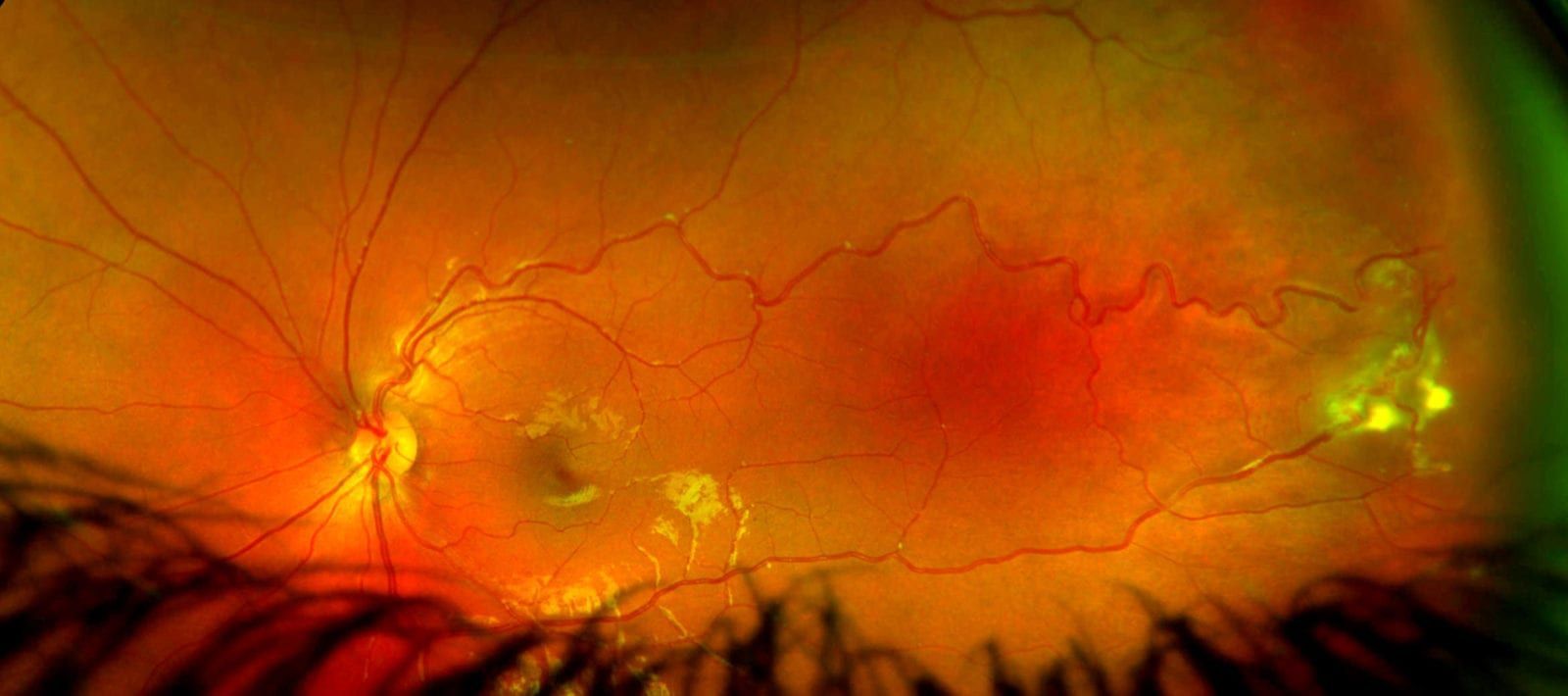
If left undiagnosed and not treated the blood vessel leakage could have progressed to the point of her potentially losing total vision in this eye for the rest of her life. Thankfully, it was diagnosed early and she was treated with laser therapy to stop the progression and she has no vision loss at all!

This condition is known as Coats’ disease. It is sometimes genetically passed from parent to child but more often it is a retinal condition that occurs without a known reason. In early stages of the disease, it causes no symptoms to the patient. Coats’ disease typically only affects one eye and can occur early in childhood but most commonly appears between the ages of 8 and 16. Treatment is aimed at diagnosing this as early as possible and treating the leaking blood vessels with laser. If the abnormal blood vessels are not diagnosed then treated promptly, over time the fluid accumulates so much that it can cause significant loss of vision. The best long-term outcomes of Coat’s disease are cases that are caught and treated early.

“I am honored to provide comprehensive eye health care to all of my patients. Most healthy, asymptomatic children will have normal, healthy dilated eye examinations. But for that small percentage where eye disease is found, it can mean the difference between keeping the perfect vision they have and permanent loss of vision that could affect them for the rest of their lives.”

By Diane Rollins September 13, 2026
Light Sensitivity / Photophobia Management Supporting patients who experience discomfort, pain, or visual overwhelm in everyday lighting environments. Light sensitivity—often called photophobia —can make even routine situations feel overwhelming. Bright sunlight, fluorescent lighting, scrolling on a phone, computer screens, and glare from headlights may trigger headaches, nausea, dizziness, or visual fatigue. Photophobia is common after concussion, migraine, neurological conditions, and certain eye disorders. Our occupational therapy–based program focuses on reducing symptoms, improving comfort, and helping patients participate fully in work, school, and daily life.
September 13, 2026
Visual Field Loss Rehabilitation Helping patients regain confidence, safety, and functional independence after visual field loss. Visual field loss can occur after stroke, brain injury, concussion, neurological conditions, or certain eye diseases. When part of a person’s field of vision is missing, everyday activities—reading, walking, driving, and navigating crowded spaces—can become challenging or even unsafe. Our occupational therapy–led approach focuses on maximizing functional vision, improving spatial awareness, and helping patients return to meaningful daily activities.
By Diane Rollins August 25, 2026
Screening & Functional Testing A detailed, functional approach to understanding how your visual system performs in real-life environments.  At WOCcupational Therapy Associates at Wyomissing Optometric Center, we believe that vision is more than eyesight—it is a complex system that guides movement, balance, reading, focus, and the ability to navigate daily life. Many patients with concussion, neurological conditions, or functional visual concerns have symptoms that do not show up on a basic eye exam. Our Screening & Functional Testing evaluates how your visual system performs during real tasks—not just how well you see on an eye chart. This helps us identify the root causes of symptoms and design the most effective rehabilitation plan.
By Diane Rollins August 25, 2026
Visual Ergonomics & Workspace Optimization Supporting comfortable, efficient visual performance at work, school, and home. Visual comfort and efficiency are essential for reading, computer work, productivity, and overall well-being. When the visual environment is not set up properly, patients may develop headaches, eye strain, blurred vision, neck pain, fatigue, and reduced attention. For individuals recovering from concussion or managing visual dysfunction, even small environmental stressors can significantly increase symptoms. Our occupational therapy–led Visual Ergonomics & Workspace Optimization services focus on designing environments that reduce visual strain, improve performance, and support long-term visual comfort.
By Diane Rollins July 13, 2026
Screening & Functional Testing 
By Diane Rollins June 2, 2026
Dr. Perry Umlauf, OD ’87 Honored with Prestigious Meritorious Service Award
By Diane Rollins April 23, 2026
A Proud Moment for Wyomissing Optometric Center We are proud to celebrate Dr. Stephen Shalamanda, O.D. ’20 of Wyomissing Optometric Center on being named the 2026 Outstanding Young Alumnus by Penn State Schuylkill. This recognition highlights alumni who, early in their careers, have already demonstrated exceptional professional achievement, leadership, and a strong commitment to their communities.
March 22, 2026
Improving Eye Movements for Clearer, More Comfortable Vision Oculomotor skills are the eye-movement abilities that allow us to track objects, shift focus between targets, and move our eyes smoothly and accurately across a page. When these skills are not working efficiently, even simple tasks — reading, copying, scanning the environment, playing sports — can feel difficult or exhausting. At WOCcupational Therapy Associates, our occupational therapists provide targeted, functional rehabilitation to improve oculomotor control and help patients use their vision more comfortably in daily life.
By Wyomissing Optometric Center March 25, 2022
Wyomissing Optometric Center is pleased to recognize a special milestone – 2022 marks 40 years for Dr. Glenn Corbin in practice as an optometrist! Dr. Corbin is also the Chief of the Section of Optometry at Penn State Health St. Joseph Medical Center, Reading, Pa.  Join us in celebrating Dr. Corbin for 40 years of […] The post Dr Glenn S. Corbin Celebrates 40 Years In Practice first appeared on Wyomissing Optometric Center.
By Wyomissing Optometric Center November 29, 2021
National Recognition for Early Detection of AMD Wyomissing Optometric Center was one of the earliest adopters of dark adaptation testing to aid in the early diagnosis of Age-related Macular Degeneration (AMD). Our Doctors use the Maculogix AdaptDx® and AdaptDx Pro®  to help identify and manage AMD patients early, often before, irreversible vision loss has occurred. […] The post Maculogix Recognizes Dr. Legge & Dr. Corbin first appeared on Wyomissing Optometric Center.