Screening & Functional Testing
Screening & Functional Testing
A detailed, functional approach to understanding how your visual system performs in real-life environments.
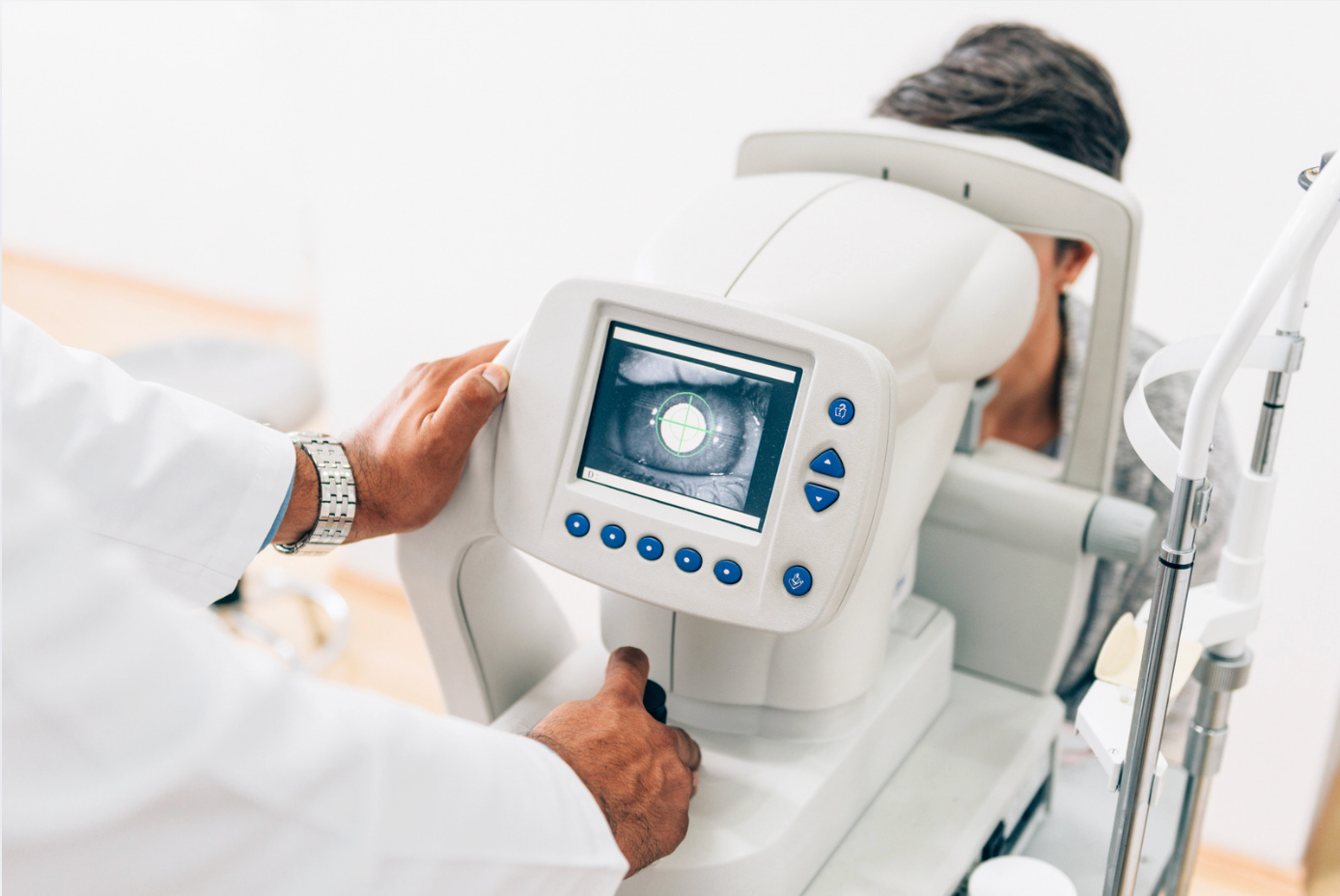
At WOCcupational Therapy Associates at Wyomissing Optometric Center, we believe that vision is more than eyesight—it is a complex system that guides movement, balance, reading, focus, and the ability to navigate daily life. Many patients with concussion, neurological conditions, or functional visual concerns have symptoms that do not show up on a basic eye exam.
Our Screening & Functional Testing evaluates how your visual system performs during real tasks—not just how well you see on an eye chart. This helps us identify the root causes of symptoms and design the most effective rehabilitation plan.

Why Functional Vision Testing Matters
Standard eye exams measure clarity, eye health, and refractive error. But they may not detect subtle issues that affect:
- Balance and spatial awareness
- Reading endurance
- Screen tolerance
- Motion sensitivity
- Hand–eye coordination
- Visual attention and processing
- How both eyes work together
- How vision interacts with other sensory systems
Functional testing fills this gap by targeting how your visual system behaves during everyday activities, especially under real-world visual demands.
Conditions That Often Benefit From Functional Testing
Functional testing is especially important for patients experiencing:
- Concussion or post-concussion symptoms
- Dizziness or motion sensitivity
- Reading problems or visual fatigue
- Headaches triggered by screens or near work
- Double vision or intermittent blur
- Difficulty tracking moving objects
- Light sensitivity
- Balance or coordination challenges
- Trouble with visual attention or processing
- Suspected binocular vision dysfunction
This evaluation helps pinpoint why symptoms occur and what strategies or rehabilitation can reduce them.
Components of Our Screening & Functional Vision Testing
A comprehensive functional evaluation may include any of the following assessments based on your symptoms and goals:
1. Eye Movement (Oculomotor) Evaluation
We assess how efficiently your eyes:
- Track moving objects (pursuits)
- Shift between targets (saccades)
- Maintain steady fixation
- Coordinate with head and body movements
These skills are essential for reading, driving, athletics, and daily tasks.
2. Binocular Vision & Eye Teaming Screening
We evaluate how well your eyes work together, including:
- Convergence (turning eyes inward)
- Divergence (turning eyes outward)
- Depth perception
- Alignment under stress or fatigue
- Flexibility and stamina of the visual system
Even minor inefficiencies can cause significant symptoms.
3. Accommodation (Focusing) Assessment
We measure:
- Speed of focus adjustment
- Accuracy
- Endurance
- Ability to switch between near and far tasks
Focusing demands often increase after concussion or extended screen use.
4. Visual Processing & Perception Screening
This may include evaluation of:
- Visual memory
- Visual attention
- Visual discrimination
- Spatial orientation
- Figure–ground perception
- Visual sequencing
These skills affect reading, learning, and navigation.
5. Balance & Vision Interaction Screening
We examine how vision interacts with:
- Vestibular input (inner ear balance system)
- Proprioception (where your body is in space)
- Posture and movement patterns
Dizziness, instability, and motion sensitivity are often linked to visual dysfunction.
6. Light Sensitivity & Screen Tolerance Evaluation
We assess:
- Triggers of photophobia
- Screen brightness tolerance
- Motion sensitivity
- Environmental stressors
- Cognitive and visual endurance
This helps inform strategies and accommodations for work or school.
7. Functional Task Testing
Based on your needs, we may assess visual performance during:
- Reading
- Computer use
- Driving simulation tasks
- Sports or movement activities
- Return-to-work or return-to-learn tasks
This connects testing directly to your daily life.
What Happens After Testing?
Following your functional evaluation, you will receive:
A clear explanation of findings
We explain what is working well, what is not, and how the visual system is affecting your symptoms.
A personalized rehabilitation plan
Depending on your results, your plan may include:
- Vision rehabilitation strategies
- Oculomotor and binocular training
- Visual–vestibular exercises
- Environmental modifications
- Ergonomic or lighting adjustments
- Screen tolerance building
- Compensatory strategies for daily tasks
- Return-to-work or return-to-learn recommendations
Collaboration with referring providers
We communicate results and recommendations to your optometrist, neurologist, primary care doctor, or other professionals involved in your care.
Who Is Functional Testing For?
This service is ideal for:
- Concussion and post-concussion patients
- Individuals with neurological conditions
- Patients with unexplained visual symptoms
- Students with reading or attention challenges
- Office workers with screen-induced strain
- Athletes with performance-related visual concerns
- Anyone whose symptoms worsen with visual demands
A Deeper Understanding of Your Visual System
Functional Testing helps us look beyond 20/20 eyesight and understand how your entire visual system works in real-life settings. With this information, we can create a targeted treatment plan that helps you move, think, learn, and work more comfortably.
WOCcupational Therapy Associates: