Looking Beyond 20/20: Neuro-Optometric Care in Wyomissing, PA
Dr. Legge Presents on Neuro-Eye Evaluations at the Tower Health Neuroscience Symposium
Vision is about much more than seeing 20/20.
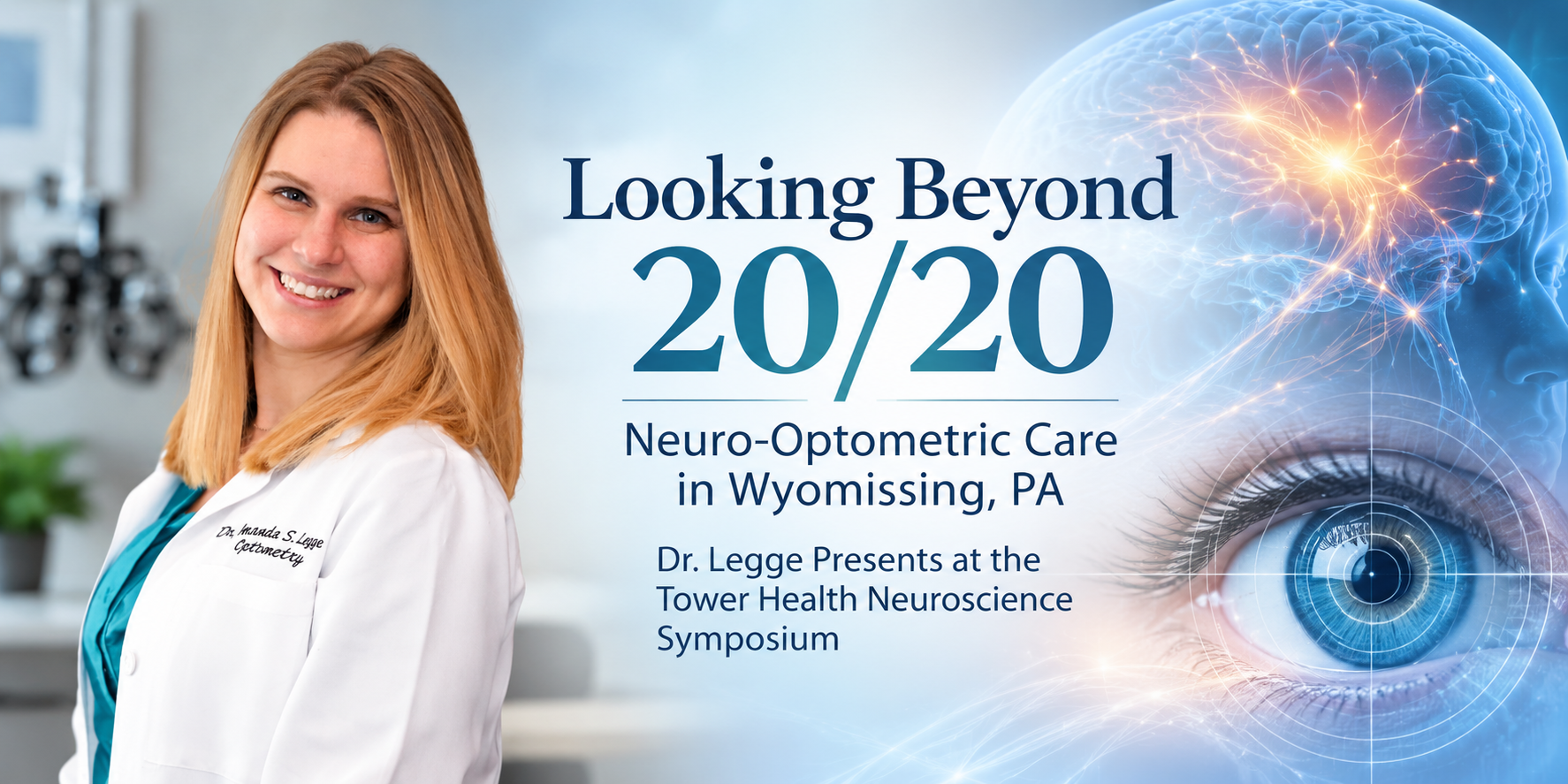
The visual system is closely connected to the brain and nervous system, and changes in vision can sometimes provide important clues about an underlying neurological condition. For patients experiencing unexplained vision changes, double vision, visual field loss, or visual difficulties following a concussion or brain injury, a comprehensive neuro-optometric evaluation can provide valuable information.
Dr. Legge of Wyomissing Optometric Center in Wyomissing, PA, was honored to present “Neuro-Eye Evaluations: Diagnosis and Collaborative Management” at the annual Tower Health Neuroscience Symposium. The symposium brought together neurologists, neurosurgeons, advanced practice providers, rehabilitation professionals, and other members of the interdisciplinary healthcare team.
Her presentation focused on the important connection between vision and neurological health—and the role eye care professionals can play in identifying visual findings that may require further medical evaluation.
What Is a Neuro-Optometric Evaluation?
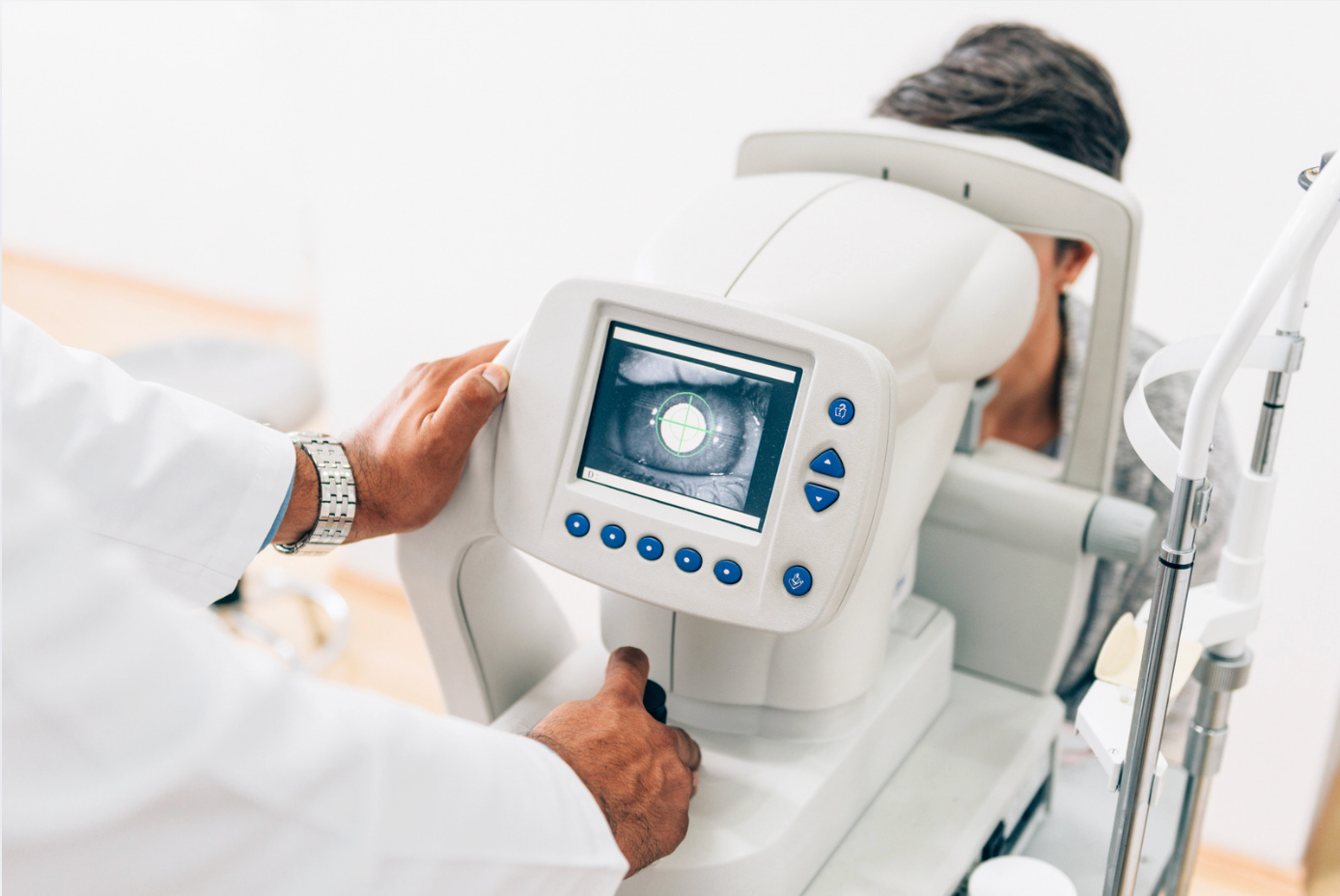
A neuro-optometric evaluation looks beyond traditional vision correction to understand how the eyes and visual system are functioning in relation to the brain and nervous system.
During an evaluation, an optometrist may assess visual function, eye movements, visual fields, the optic nerves, eye alignment, and other aspects of the visual system. These findings can help provide a more complete picture when a patient's visual symptoms don't fit a typical eye condition.
At Wyomissing Optometric Center, Dr. Legge takes a comprehensive approach to patients whose visual concerns may be associated with neurological conditions, concussion, brain injury, or other disorders affecting the visual system.
When Vision Changes May Be Related to Neurological Conditions
Neurological conditions can affect vision in many different ways. Sometimes the changes are obvious; other times, patients may simply notice that something about their vision or visual comfort doesn't feel right.
Dr. Legge's Tower Health presentation explored real-world cases involving:
Painless Vision Loss
Sudden or unexplained vision loss can have many potential causes. Careful examination can help determine whether the problem may originate within the eye, involve the optic nerve, or be associated with another part of the visual pathway.
Optic Disc Edema
Swelling of the optic disc can be an important clinical finding. Recognizing optic disc abnormalities and determining when additional evaluation is necessary can be an important part of patient care.
Visual Field Loss
A person may not always realize that part of their visual field is missing. Patterns of visual field loss can sometimes provide important information about where along the visual pathway a problem may be occurring.
Double Vision and Eye Movement Problems
Double vision, or diplopia, can have a variety of causes. Problems involving eye alignment or coordinated eye movements may sometimes be associated with neurological conditions and require further evaluation.
Vision Problems Following a Concussion
Concussions and other brain injuries can affect the visual system in a number of ways. Patients may experience difficulties with focusing, eye teaming, tracking, visual processing, or tolerance of visually demanding environments.
These symptoms can interfere with reading, computer work, driving, balance, school, work, and everyday activities.
How a Neuro-Eye Evaluation Helps
A comprehensive evaluation begins by looking at the entire clinical picture.
Dr. Legge emphasized a practical approach during her presentation:
- Define the visual symptoms and clinical findings
- Determine where the problem may be occurring
- Develop an appropriate differential diagnosis
- Identify conditions that may require urgent attention
- Coordinate care and referrals when appropriate
- Consider vision rehabilitation when indicated
This process can help connect a patient's symptoms with objective examination findings and determine appropriate next steps.
Vision Rehabilitation and Functional Vision
For some patients, identifying the underlying condition is only the beginning.
Neurological conditions and brain injuries can affect how a person uses their vision in everyday life. Even when standard visual acuity is relatively good, a patient may experience difficulties with reading, visual processing, eye coordination, spatial awareness, or other aspects of functional vision.
When appropriate, vision rehabilitation can be an important part of helping patients adapt to visual challenges and improve their ability to participate in everyday activities.
The Importance of Collaborative Care
Neuro-optometric care often involves collaboration between multiple healthcare professionals.
Optometry, ophthalmology, neurology, emergency medicine, rehabilitation, and primary care each contribute important information to the patient's overall care.
When healthcare providers communicate and share relevant clinical findings, they can work from a more complete picture of the patient's condition.
The eye examination can sometimes provide information that influences the neurological workup or helps guide the next step in care. Collaboration helps ensure that visual concerns are considered as part of the patient's overall health.
Dr. Legge and Neuro-Optometric Care at Wyomissing Optometric Center
At Wyomissing Optometric Center, comprehensive eye care extends beyond routine glasses and contact lens prescriptions.
Dr. Legge's involvement in the Tower Health Neuroscience Symposium reflects the importance of continued education and collaboration among eye care and medical professionals.
For patients in Wyomissing, Reading, Berks County, and throughout Southeastern Pennsylvania, understanding the relationship between vision and neurological health can be an important part of getting the right care.
If you are experiencing unexplained changes in vision, double vision, visual field changes, or visual difficulties following a concussion or neurological event, a comprehensive evaluation may help identify potential visual concerns and determine appropriate next steps.
Frequently Asked Questions About Neuro-Optometric Evaluations
What is neuro-optometry?
Neuro-optometry focuses on the relationship between vision, the visual system, and the brain. A neuro-optometric evaluation may be appropriate when visual symptoms are associated with neurological conditions, concussion, brain injury, or other problems affecting the visual system.
Can a concussion affect vision?
Yes. Concussions can be associated with a variety of visual symptoms, including difficulty focusing, eye teaming problems, tracking difficulties, visual motion sensitivity, and problems with visually demanding activities.
Can neurological conditions cause double vision?
Yes. Double vision can have many causes, including problems involving the eyes, eye muscles, nerves, or neurological pathways. A comprehensive evaluation can help determine what additional care may be appropriate.
Can an eye examination identify signs of a neurological problem?
Certain findings during an eye examination may provide important clues about neurological conditions or problems affecting the visual pathways. When concerning findings are identified, additional medical evaluation may be recommended.
What is vision rehabilitation?
Vision rehabilitation is designed to help individuals manage visual difficulties that affect daily activities. Depending on the patient's needs, rehabilitation may address areas such as visual processing, eye coordination, reading, mobility, or other functional visual skills.
Looking at the Whole Picture
Good vision care isn't always about achieving 20/20.
Sometimes the most important information comes from understanding how the visual system is functioning and how it connects with the brain.
Dr. Legge was pleased to share her experience and clinical perspective at the Tower Health Neuroscience Symposium and to participate in a broader conversation about collaborative neurological and visual care.
Thank you to Tower Health and everyone who participated in the symposium for bringing together professionals from across the healthcare community.
Learn More About the Tower Health Neuroscience Symposium
For additional information about the symposium and its educational program, visit the Tower Health Neuroscience Symposium.
Concerned About Changes in Your Vision?
If you are experiencing unexplained vision changes, double vision, visual field loss, or vision difficulties following a concussion or neurological event, contact Wyomissing Optometric Center to learn more about comprehensive neuro-optometric evaluation and vision rehabilitation.