Light Sensitivity / Photophobia Management
Light Sensitivity / Photophobia Management
Supporting patients who experience discomfort, pain, or visual overwhelm in everyday lighting environments.
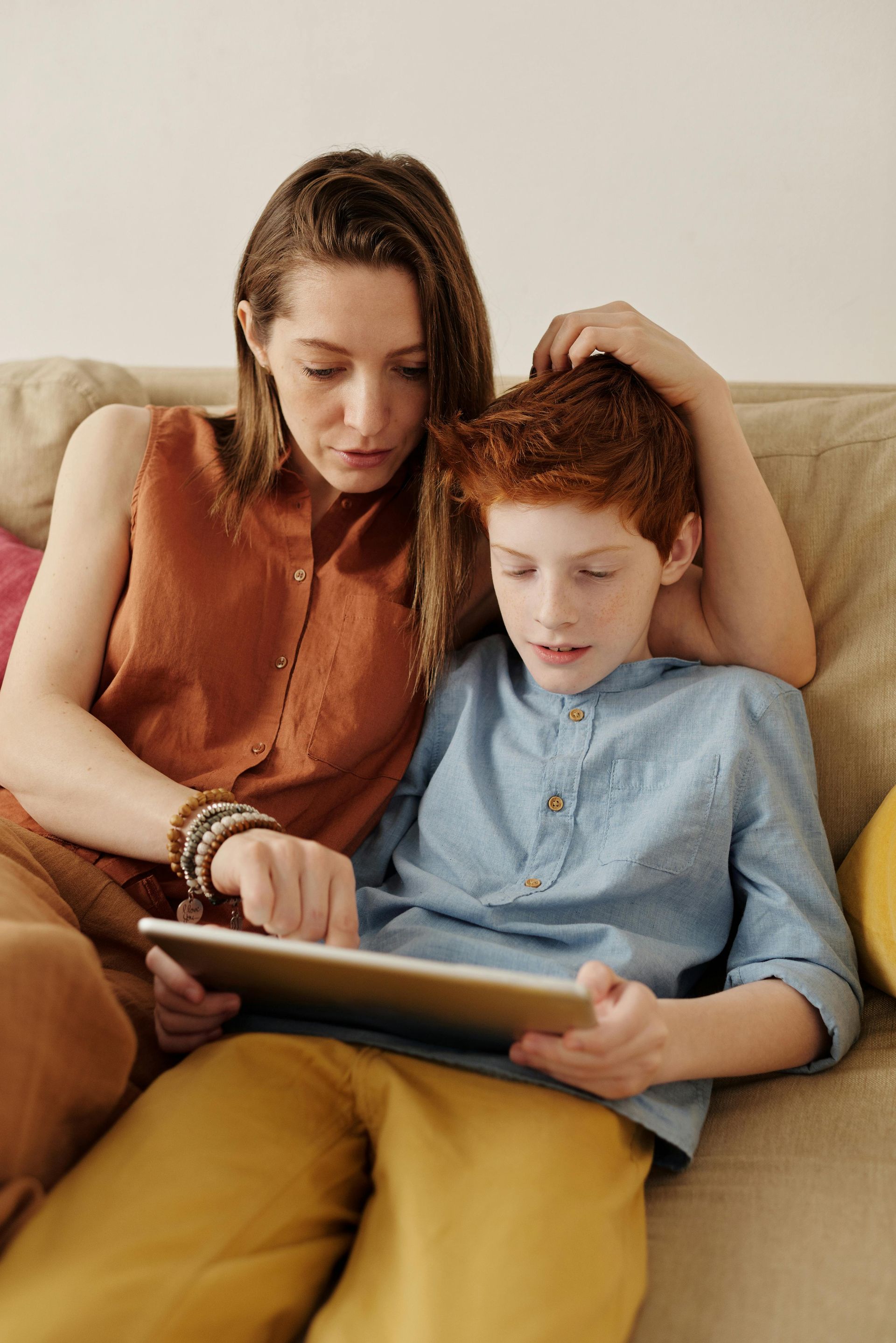
Light sensitivity—often called photophobia—can make even routine situations feel overwhelming. Bright sunlight, fluorescent lighting, scrolling on a phone, computer screens, and glare from headlights may trigger headaches, nausea, dizziness, or visual fatigue. Photophobia is common after concussion, migraine, neurological conditions, and certain eye disorders.
Our occupational therapy–based program focuses on reducing symptoms, improving comfort, and helping patients participate fully in work, school, and daily life.
What Is Photophobia?
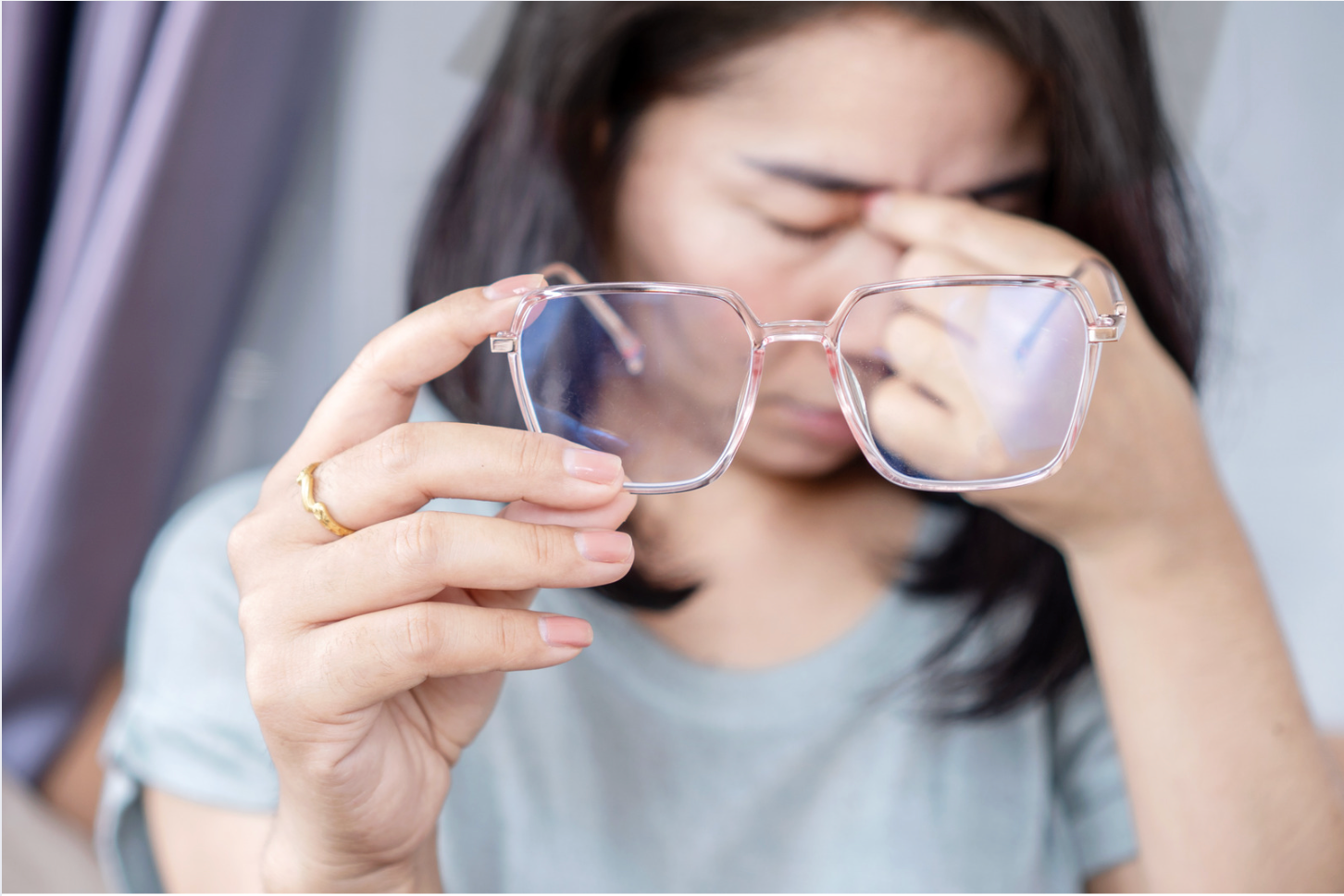
Photophobia is an abnormal sensitivity to light. It is not a condition on its own, but a symptom of an underlying neurological or visual issue. Even normal levels of light may feel harsh, painful, or visually overwhelming.
Common causes include:
- Concussion or traumatic brain injury
- Migraine and chronic headache conditions
- Neurological disorders
- Post-concussion visual dysfunction
- Dry eye or ocular surface issues
- Visual processing or oculomotor problems
Common Symptoms
Patients may experience:
- Pain or discomfort in bright light
- Sensitivity to fluorescent or LED lighting
- Headaches triggered by screens or glare
- Difficulty functioning in stores, classrooms, or workplaces
- Nausea or dizziness in visually busy environments
- Eye strain or visual fatigue
- Need to wear sunglasses indoors
Symptoms often worsen in visually complex environments—such as grocery stores, parking lots, or during nighttime driving.
Our Rehabilitation Approach
Our goal is to help patients tolerate light more comfortably, reduce symptoms, and regain independence in their daily routines.
1. Comprehensive Assessment
We evaluate:
- Triggers and light environments that cause symptoms
- Visual processing and oculomotor function
- Screen tolerance
- Environmental and workplace challenges
- Overall sensory sensitivity
2. Graded Light Exposure Training
A structured, gradual approach that helps the brain adjust to light safely and comfortably. This includes:
- Controlled exposure to different light levels
- Building tolerance over time
- Supporting patients through measurable, safe progressions
3. Visual System Rehabilitation
Often, light sensitivity is tied to other visual conditions. Therapy may include:
- Oculomotor training
- Visual processing and attention exercises
- Binocular vision and accommodation support
- Activities to improve stability and reduce visual overwhelm
4. Environmental & Lifestyle Modifications
Practical strategies include:
- Adjusting workspace lighting
- Modifying screen settings (brightness, contrast, filters)
- Use of hats, brims, or controlled shielding
- Strategic placement of lamps and indirect lighting
- High-contrast adaptation to reduce glare
5. Lens & Filter Recommendations
Based on the patient’s needs, we may recommend:
- FL-41 filters
- Tinted or polarized lenses
- Blue-light–modifying strategies
- Gradual weaning plans to prevent over-reliance
Recommendations are always personalized—never one-size-fits-all.
What Patients Can Expect
Our program aims to help patients:
- Reduce pain and visual discomfort
- Improve tolerance to indoor and outdoor lighting
- Function more comfortably at work and school
- Use digital devices with less strain
- Feel more confident in visually overwhelming environments
- Regain independence in daily activities
Who Benefits?
Photophobia management may be helpful for individuals experiencing light sensitivity due to:
- Concussion or mild traumatic brain injury
- Migraine conditions
- Stroke or neurological conditions
- Visual processing disorders
- Oculomotor dysfunction
- Prolonged screen use or digital eye strain
Feel Better in the Light Again
Light sensitivity can impact every part of life—but it is treatable. With a guided, evidence-based approach, patients can reduce symptoms, rebuild tolerance, and return to their routines with greater comfort and confidence.